
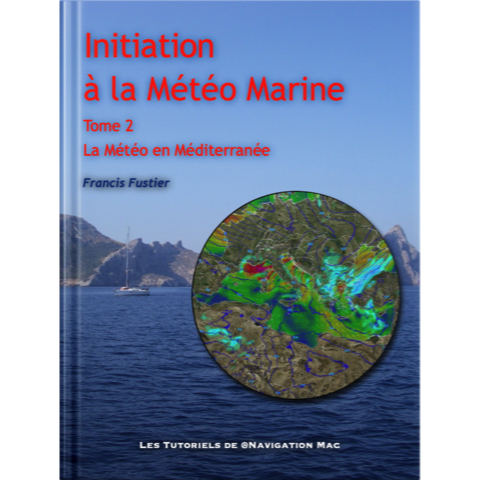
 March, the volume 2 from Introduction to Marine Weather – Weather in the Mediterranean, is updated on the iBook Store (Apple Books)
Version 1.1 – Addition of a paragraph on Advanced thunderstorm forecasting data.
- 88 pages
- 48 screenshots
- 14 videos
–––
 Tuesday 25 February 2025, A new version of the deterministic model of the artificial intelligence forecasting system (AIFS) has been published and operationally implemented. This update marks a turning point in ECMWF's history, since AIFS Single v1 is the first AIFS model to be rendered fully operational (
 The National Oceanic and Atmospheric Administration (NOAA) employs approximately 12 000 people around the world, more than half of whom are scientists and engineers. NOAA Operates 18 satellites and 15 vessels and has a budget of 6,8 billion dollars. Through various services, its job is to study the atmosphere (
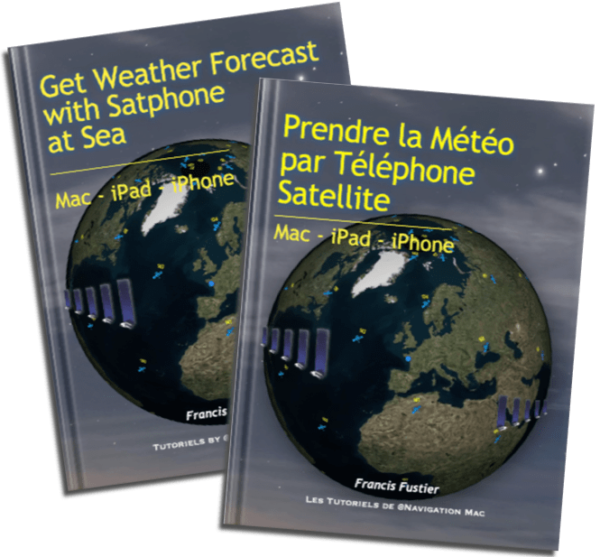 Update 2.2 (February 2025)
 2025 marks the 100 years of the broadcast of marine weather forecasts The Shipping Forecast on BBC Radio 4. This emblematic transmission, produced by the
 The Pacific Ocean is switching from an El Niño event at the beginning of the year 2024 to a La Niña event expected at the end of this summer. But it seems, for NOAA scientists, that a similar phenomenon is also occurring at this same time in the Atlantic Ocean (